Speech Pathology
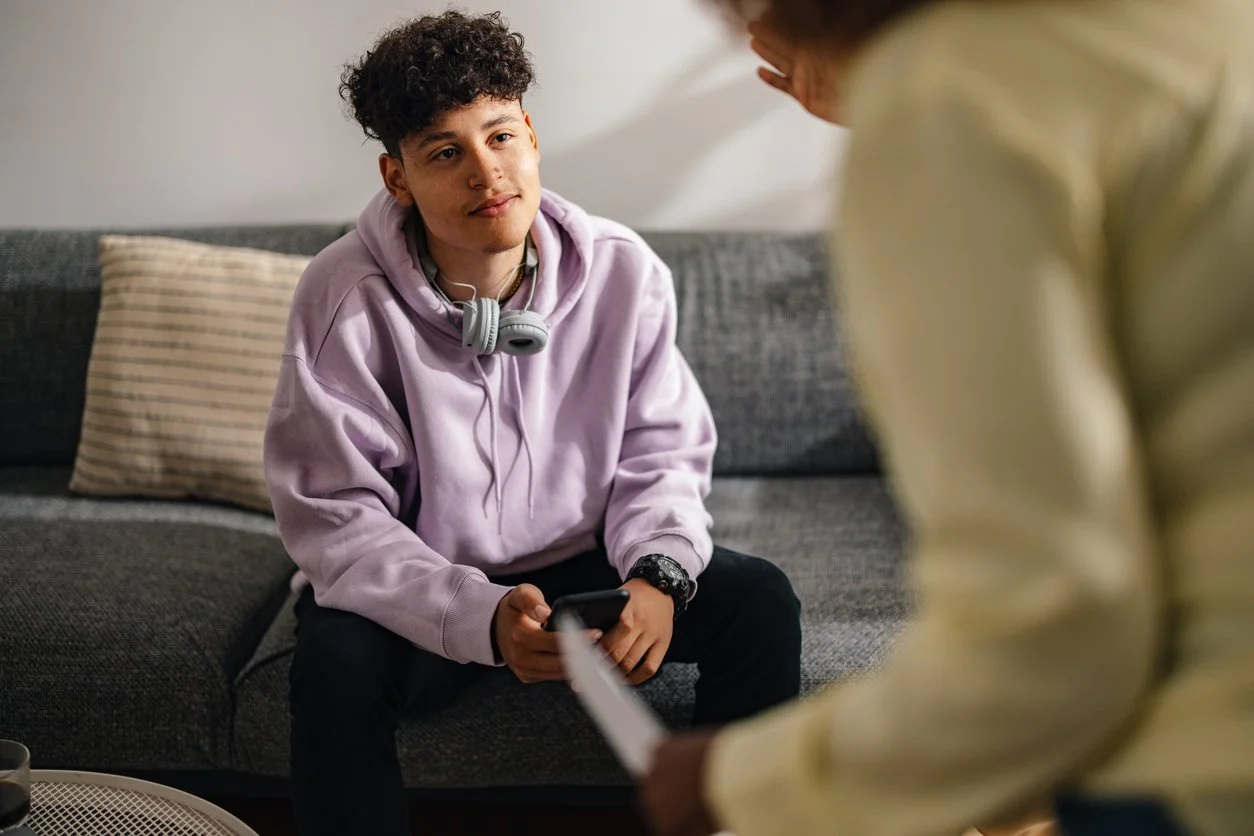
We provide neurodiversity-affirming, low-pressure speech pathology for children, teens, and adults. Therapy is tailored to each person’s communication style, interests, and sensory needs, focusing on meaningful, real-world communication rather than drills or compliance. Sessions are flexible, participant-led, and designed to feel safe, predictable, and engaging.
What We Support
Language & Literacy
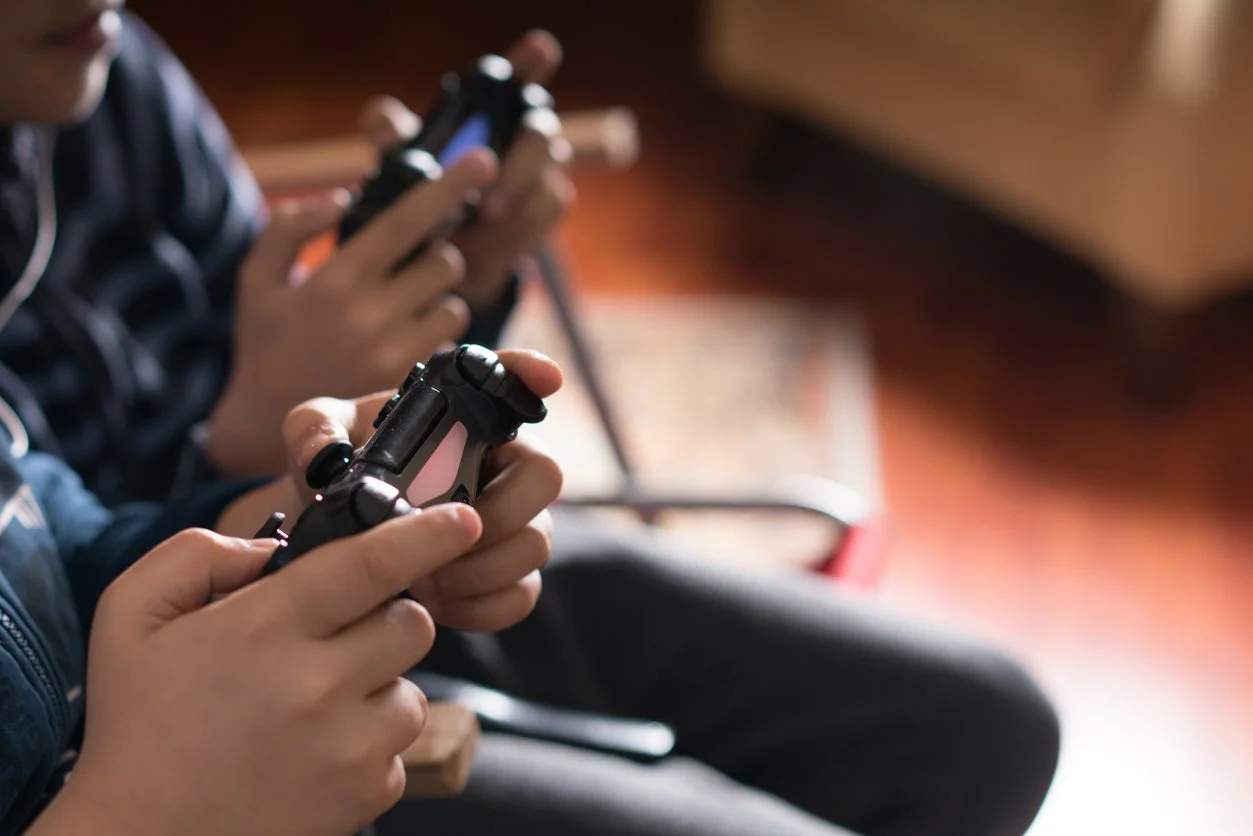
Build expressive and receptive language, support gestalt language processing, and develop reading and writing skills in ways that feel natural and meaningful. Therapy follows interests like games, technology, stories, or creative projects—no strict programs or drills.
Communication & Social Connection
Support for social communication differences, selective or situational speaking, literal thinking, and back-and-forth conversations. Focus on connection, self-advocacy, and authentic communication.
Understanding Neurodiversity
Supporting families, schools, and clients understand communication differences, sensory needs, and strategies to reduce overwhelm.
Play & Interest-Based Therapy
Engaging activities based on games, technology, art, LEGO, or special interests to support learning and connection.
Parent & Caregiver Support
Practical coaching for home, including declarative language, emotional regulation, and low-pressure strategies.
Transition to Adulthood
Supporting teens and adults in employment, community participation, friendships, and self-advocacy.
Assessment for NDIS & Functional Communication
Functional, real-life assessments and clear recommendations for families, support coordinators, and professionals.
Complex Communication Profiles
Supporting clients with mixed needs, selective communication, technology-focused interests, or difficulty generalising skills. Therapy adapts to each profile, creating a calm, predictable environment that encourages confidence.
Who This Works For
· Children, teens, and adults
· Gestalt language processors and hyperlexic clients
· Clients with communication differences or selective speaking
· Those who benefit from interest-led, low-pressure approaches
· Families seeking practical strategies at home
· Remote or regional clients preferring telehealth
Key Features of Our Approach
· Neurodiversity-affirming, strengths-informed
· Child- and participant-led
· Social communication focus
· Comfortable for older kids, teens, and adults
· Telehealth-friendly and technology-integrated
· Collaborative with families, support coordinators, and NDIS
· Practical, low-pressure, real-world therapy